What is microlearning?
Microlearning is a unique approach to learning programme where the teaching is broken down into smaller, easy-to-digest chunks, also popularly called learning nuggets. These nuggets could be small, individual pieces of information, or activities to be performed.
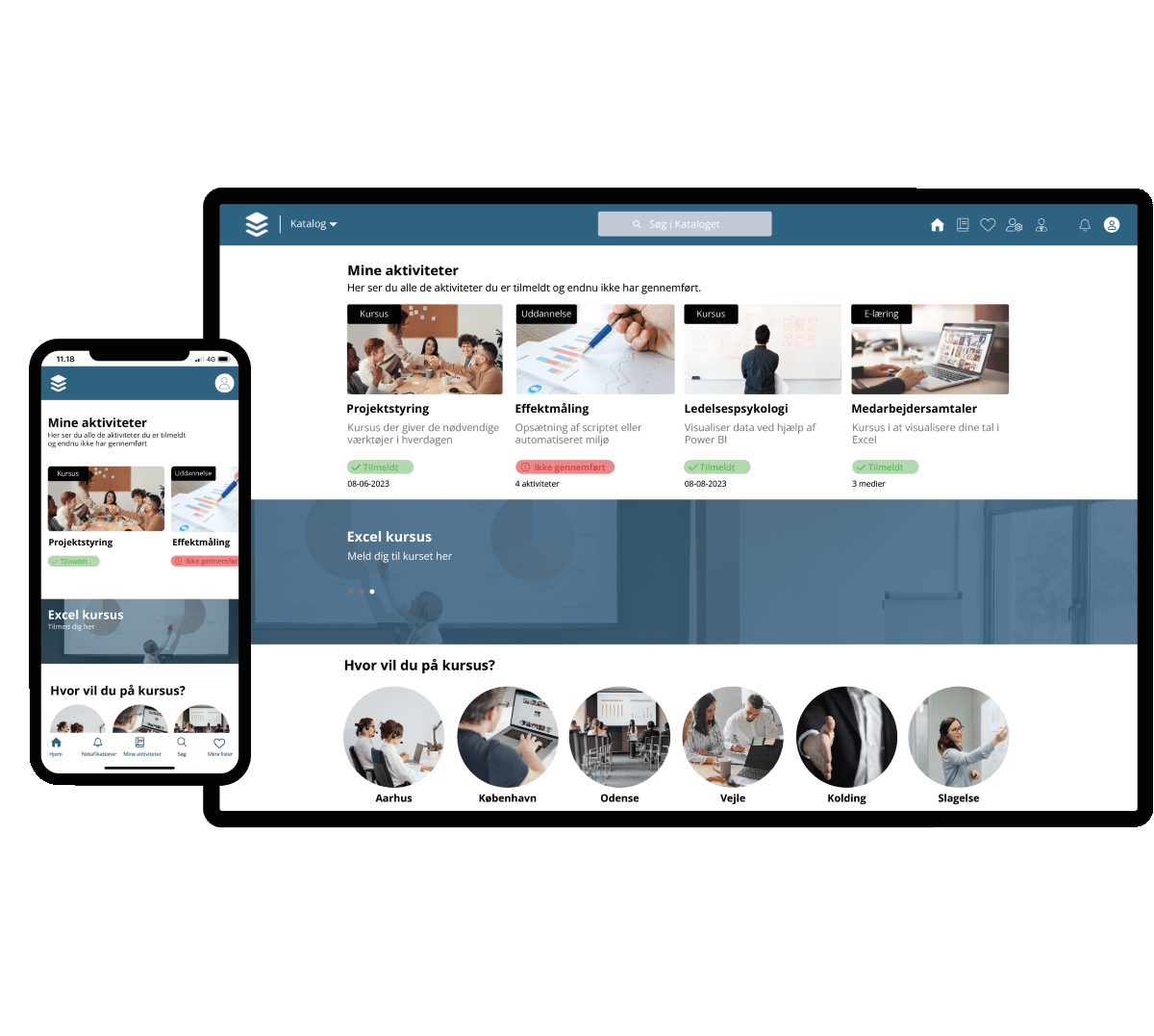
With microlearning, you have plenty of opportunities for creativity when choosing how your users should receive their learning. Should it be an email with a short video? Or should it be a text message that reminds the user that they have a 5-minute course to complete? That’s up to you.
It’s really just a small handful of learning that an employee can receive and take advantage of when it fits into their schedule. You can therefore keep many of the same benefits as with e-learning, namely that it’s convenient, accessible, and flexible. But there are a few extra benefits thrown in as well, which we’ll go over in a bit. So there might be good reason to consider whether you should dip your toe into this trend yourself.
Why should you use microlearning?
The digital age constantly opens up new possibilities, and we are virtually all online around the clock. As we all become increasingly connected, we are also increasingly exposed to cyber threats. gets shorter concentration ability, Therefore, we must also adjust our learning offerings.
The modern employee has started to seek learning independently online and often uses their smartphone to search for answers to an unexpected problem. In fact, research shows that 56% of employees They access their learning first when they need it.
Microlearning meets the users where they already are, namely on the countless devices we all use to look at most of our day.
What are the benefits?
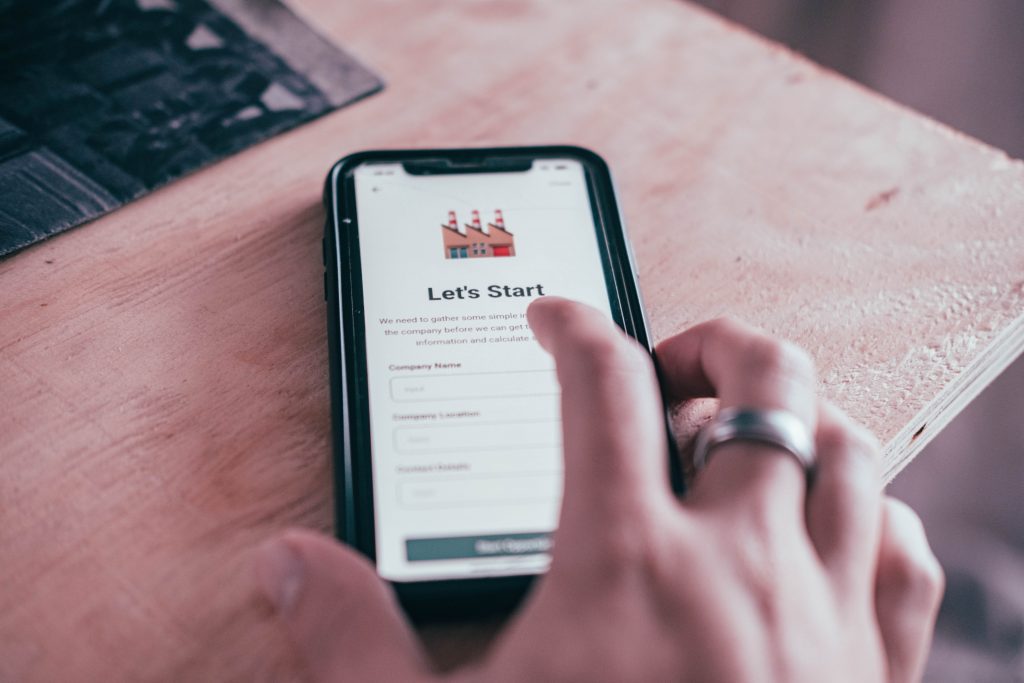
Microlearning is a shorter version of e-learning, It can be accessed from any device with an internet connection. It is an incredibly flexible learning method, as a piece of learning can be completed exactly when it suits you.
Employees no longer have time to sit down and complete a long course of instruction, as we quickly shift our interest to something else. The small learning nuggets are quick to get through and can be distributed over a longer period of time. If employees want to learn a competency as quickly as possible, they simply need to open their choice of device, find the right course and after a few minutes, they are equipped with the necessary competency.
Microlearning puts less pressure on our learning ability. You are only served small chunks, rather than having to struggle through an entire meal. As humans, we cannot process more than 3 to 5 pieces of information at a time. We simply need a break. This is therefore a more optimal approach to learning, especially when it comes to the user’s retention of knowledge.
A user can quickly repeat the same nugget several times, which also increases the chance that the learning will persist. This could be, for example, in a work situation where an employee needs a quick refresher before starting on a task. This makes the learning relevant to the employee’s daily workflow, where more conventional learning might seem like mere theory.
Learning badges are easy to find because they are not part of a long educational program that covers many topics. The employee can quickly find the right badge.
5 quick tips
- Stick to a single goal with each learning bite
- Engage your users from the very beginning. Just because it was done quickly is not an excuse for boring material
- Cut out all unnecessary information. Keep your learning sessions as focused as possible.
- Be clear about the content of your learning snippets. Explain briefly and precisely what the user gets out of each snippet so they can quickly find the right one.
- Make your learning accessible! Make it easy to access learning materials on all users' devices