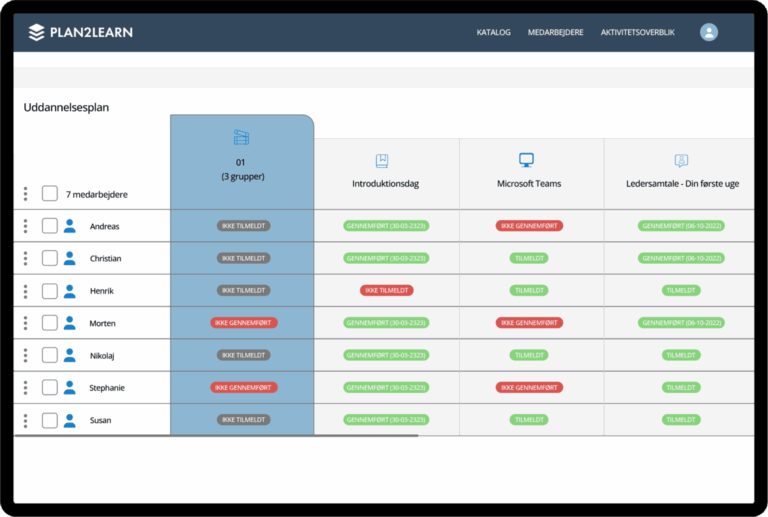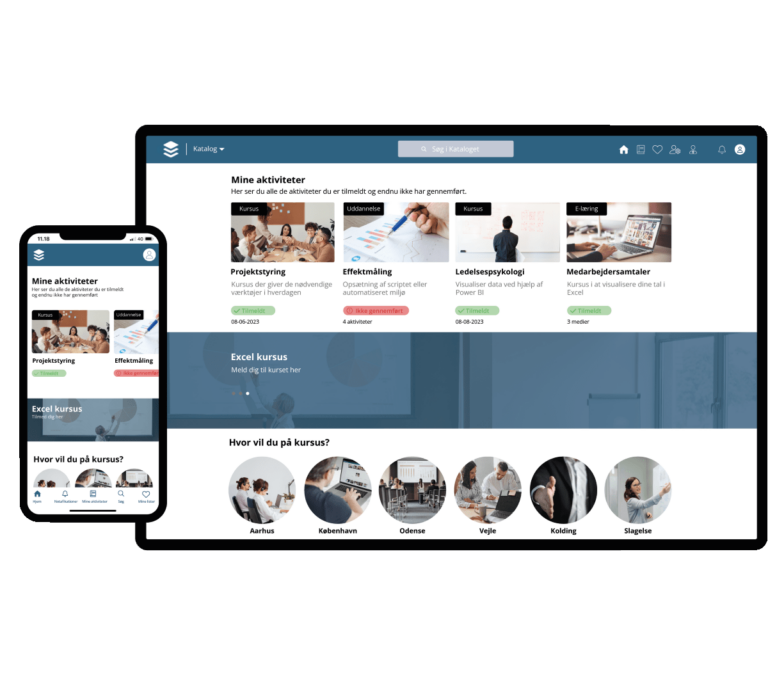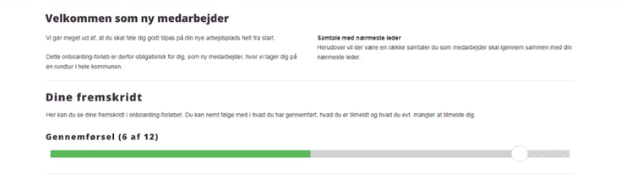
No structure or long-term planning
There are several companies that do not focus on a well-prepared and structured onboarding process. They often choose to freestyle the process and take things as they arise in the first few days. This harms your new employee’s experience more than you think. It can lead to confusion, longer periods where the employee does not know what to do, and a large amount of frustration. In the worst case, it can result in your new employee not being retained.
New employees often also do not feel confident enough to report these problems. Therefore, you won’t notice that something is wrong until it’s already too late. You should always allocate time and resources to creating a structured onboarding process that ensures the new employee is introduced to the company and its values, the new colleagues, relevant tools, and upcoming tasks. We have written a article about how to plan an onboarding programme that you can draw inspiration from.
Lack of focus on the social aspect
There are many faces and names to get used to in a new workplace. During onboarding, you should ensure that your new employee is greeted by as many of their colleagues as possible. If an employee does not feel welcome in a new workplace, it can lead to a sense of isolation and make the first weeks in the company a bad experience.
A good welcome is important for creating a sense of security among your new employee. It is this sense of security that leads the employee to dare to approach their new colleagues with uncertainties and curious questions. This means that they will become part of the company more quickly and be able to complete their tasks. This ensures that the employee creates value more quickly and will ultimately positively influence the employee’s retention.
Lack of corporate culture
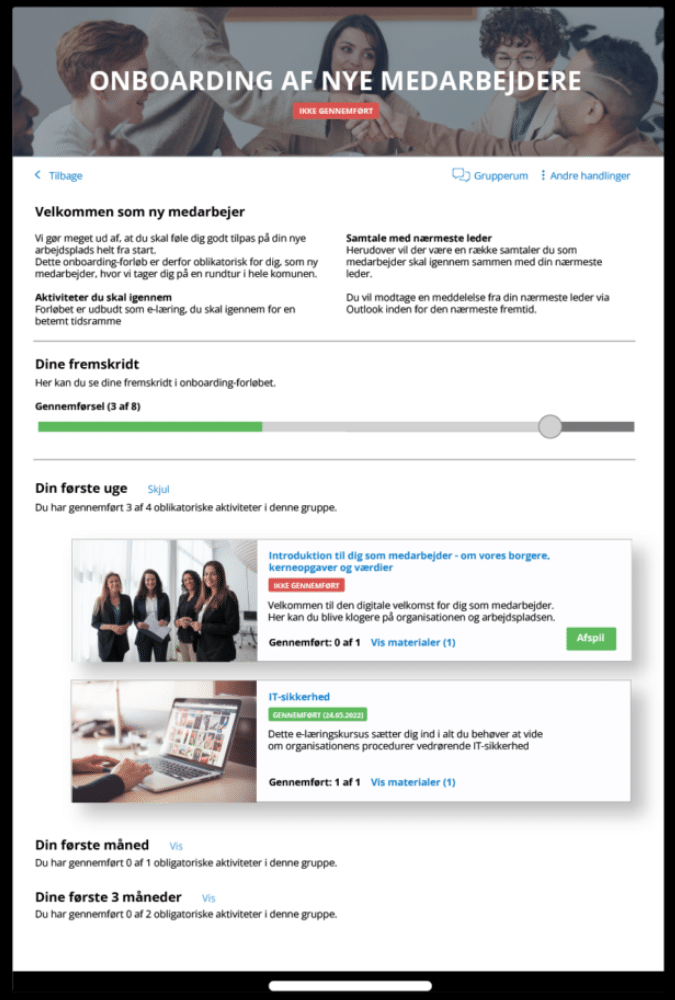
You should ensure that your new employee has a clear understanding of who you are as a company. This includes what culture you are trying to build, your values, and what behavior you expect from your employees. This can make a big difference in whether the employee feels a connection to your company.
A presentation of your company could be carried out using a mix of e-learning, This would all contribute to providing an insight into the culture and the values that the organisation would like to emphasize.
Lack of feedback
Onboarding is not just a few greetings on the first day and a few organized activities. You should have a plan for the first few weeks, and maybe even a loose structure for the first few months. You can benefit from planning ongoing follow-up conversations with your employee so that you can constantly help with questions, problems with work tools or tasks. You need to be flexible and able to adapt the onboarding to the employee’s needs.
If you let a new employee go too early, it can lead to confusion and stress. This also leads to uncertainty in work tasks and who you can get support or answers from. In the worst case, this can also negatively affect retention.
Lack of flexibility
All new employees are different, and there will never be a standard onboarding that suits everyone. A standardized onboarding that does not take into account the employee’s specific situation and work tasks can seem impersonal and ensure that the employee will not be ready to handle their tasks to the best possible extent.
Make sure to be flexible with your onboarding process and be ready to make changes based on the employee’s feedback. This could be changing the focus to the areas where the employee feels uncertain, whether it’s a specific task or confusion about a work tool.
If the new employee senses that they are being well taken care of, it naturally increases their well-being, eases uncertainties, and reduces frustration.
Conclusion
Your onboarding process is an incredibly important tool that ensures that new employees are properly welcomed into your company. This leads to greater motivation and engagement among the newest member of your team, and will ensure that they can quickly complete their tasks and contribute value. Furthermore, it has been proven that good onboarding ensures that employees remain in their positions for an extended period of time.
Therefore, you should ensure that you do not commit the many mistakes described in this article, as you risk unprepared employees seeking new job opportunities within the first 6 months. With a structured onboarding process tailored to individual needs, you will ensure new employees have the best possible experience during their start-up and that they can contribute value as quickly as possible.