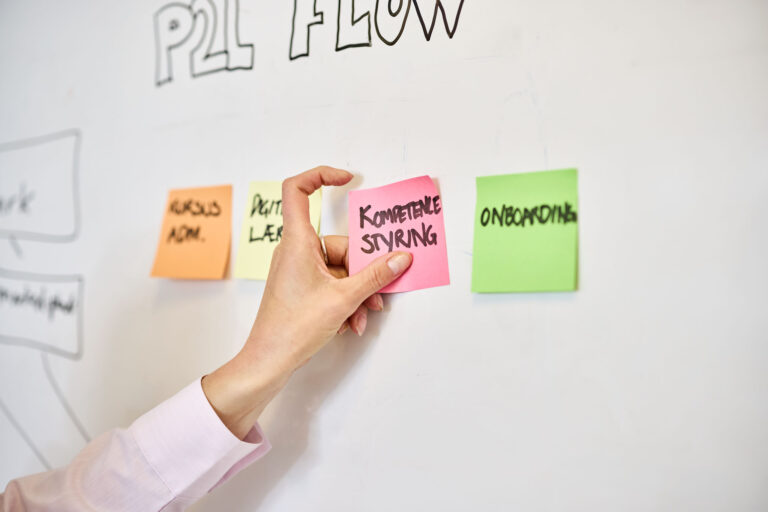
Preboarding
There is always a period of time, from the moment the new employee signs their contract until they arrive for their first day of work. Many companies have a plan for their onboarding process. onboarding, But the time up to it can be just as important. Therefore, you should consider a preboarding course of events.
A preboarding gives your onboarding a greater chance of being successful, and leaves the employee engaged, motivated, and with a positive attitude towards your company.
A preboarding programme could consist of sending a description of how the onboarding period will unfold for the employee. Provide them with essential details such as route guidance, public transportation, canteen or lunch arrangements well in advance.
It is essential to keep the information concise, short and precise, so as not to overwhelm or stress the employee unnecessarily. In this way, you maintain contact with the new employee and provide the necessary information so that he or she can feel prepared, safe and welcome.
Have a clear plan for the first day
When the employee starts their first day, it is incredibly important to give a sense that the company is well prepared and accommodating. You should strive to make a good first impression of your company and create a safe environment, as this is crucial for retaining your new employee.
A good start can involve preparing the work station with the digital tools and setups necessary for the employee to get off to a good start. Additionally, a physical tour of the premises is always nice, so you can find basic things like restrooms or the coffee machine.
During this tour, the employee can also get to know the new colleagues and visit the various departments. A good start in social terms will make the employee feel welcome. This can create an incredibly bad impression if the employee feels overlooked and has to fend for themselves.
Introduce the company and the new work tasks
It is then a good idea for the employee to start with smaller tasks that simultaneously make them more familiar with the company, such as reviewing your policies and guidelines. This could be handled with selected e-learning courses and activities within your organization. LMS.
There is plenty of new information for new employees, and therefore it is important to deliver it at a manageable pace. This can be done by organizing an introductory course that runs over several days. You can make the experience better by, for example, replacing the employee handbook and packaging it in a short video introduction or an interactive file. This way, the employee can access the information at their own pace when it suits them, or find it later.
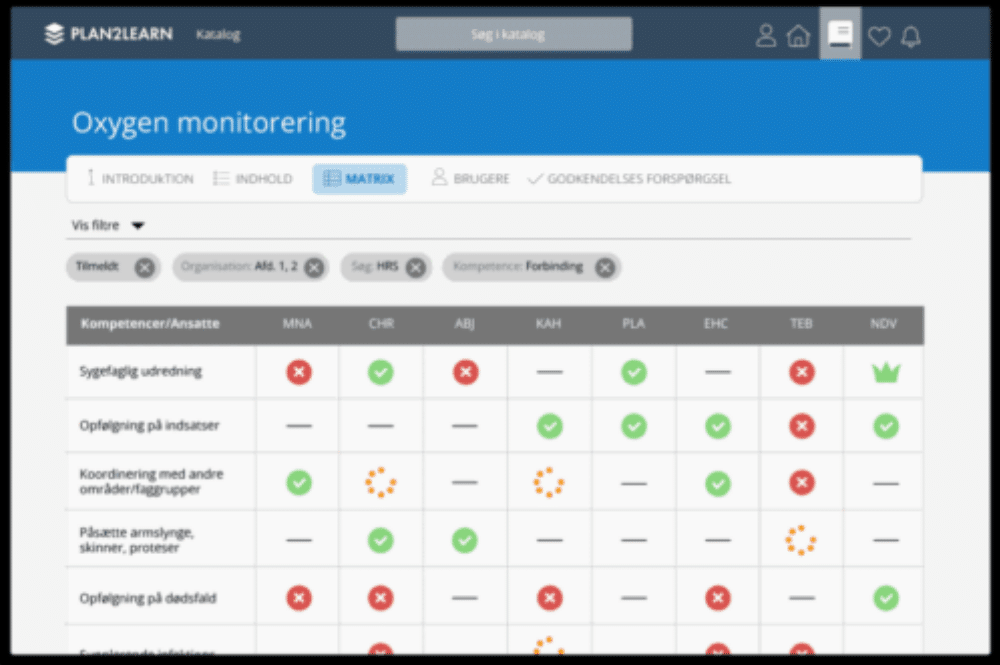
One of the biggest benefits of using an LMS for your onboarding is that you can create and structure Digital onboarding plans, This ensures that all necessary materials and resources are available to new employees in one place. Additionally, you can build different onboarding programme based on roles, competencies, or teams, so that employees receive relevant training for their responsibilities.
Feedback and expectation voting
Feedback is important in an onboarding programme, as it allows the new employee’s expectations to be taken into account. Here you can also monitor their wellbeing and satisfaction, and whether this corresponds to both parties’ expectations.
In this case, it may make sense to use surveys to collect feedback from the employee. This way, you can see if they have understood the many information provided and whether the introduction to the company has gone as expected. It may be necessary to add more activities to ensure the employee has the correct understanding of their tasks and has incorporated good habits. This knowledge can also be used to optimize your onboarding programme process in the future.
Feedback is therefore the best way to adapt the onboarding process if it does not meet the expectations of the company or the new employee.
Dialogue
To complete a successful onboarding programme process, the employee’s immediate manager should arrange a personal discussion about what is to happen in the coming days and weeks. It will also be a great help to designate a contact person for the employee. This person can serve as a safety net for the new employee in case of any doubts or questions.
It can also be essential to talk about both short- and long-term goals for the employee’s development. This will prove that the company is committed to the employee’s future and that you see them as an important piece of the organization’s future success.
Give the employee a little extra attention during the first few weeks so that they feel comfortable and welcome in the new environment. Take the initiative to have informal conversations during the workday. In this way, they will not feel overlooked or left to their own devices, which reduces uncertainty but strengthens security and community.
If you would like to read more about the benefits of onboarding, we have gone into detail this article.