What is performance management?
Performance management is an effective tool for measuring, evaluating, and improving the work and results of employees. It helps define what is considered effective performance in your organisation, how this performance can be measured, and develops processes to achieve better results than were previously possible.
Regardless of the size or type of organization, it is possible to measure and improve employee performance. This will help create positive effects on both the company’s results and the employees’ wellbeing and motivation.
The goal is to create an environment where employees can perform at their best and produce of the highest quality. Performance management can therefore help to view individual employees within a broader context within the workplace.
Performance management in a nutshell
- Can help leaders and employees have the same expectations in mind, such as goals, career progress, and how the individual employee aligns with the organization's vision.
- Managers can adjust the workflow, recommend new paths, and make choices that will help the employee achieve their goals.
- Increase efficiency and create value for the organisation
- Focus on trust and transparency, as this provides a clear understanding of expectations.
Why should you use performance management?
Performance management allows you to set clear goals and expectations for employees or yourself. This eliminates confusion about what is expected and makes it much easier to focus on the right tasks.
By identifying the employees' strengths and weaknesses, one can place them in the right roles and responsibilities, and in this way utilize their full potential and maximize their contribution to the organisation.
When everyone works towards the established goals, you will be able to continuously evaluate performance and obtain a wealth of performance information. You can then use this to pinpoint where action needs to be taken and make decisions regarding increasing the value creation in the individual job function. This can be done by setting new goals, providing feedback, or creating inspiration to solve tasks in a new way.
How to get started with performance management
An important factor in performance management is motivating employees, creating engagement, and stimulating initiative so that they can contribute to achieving the organizational goals. Effective coordination plays an essential role in ensuring that the right employees perform the right tasks at the right time.
In addition, you should focus on open and honest dialogues between employees and managers. This can include regular check-ins and feedback conversations, where the employee can provide feedback on the manager’s leadership and the organization’s processes and policies. It can also include an open door policy, where employees can come to the manager with questions or concerns.
A good performance management process can promote development and learning among employees. By identifying their development areas and offering training and development opportunities that the the organisation can strengthen the employees with competencies, Skills and knowledge that contribute to growth and personal success in the workplace.
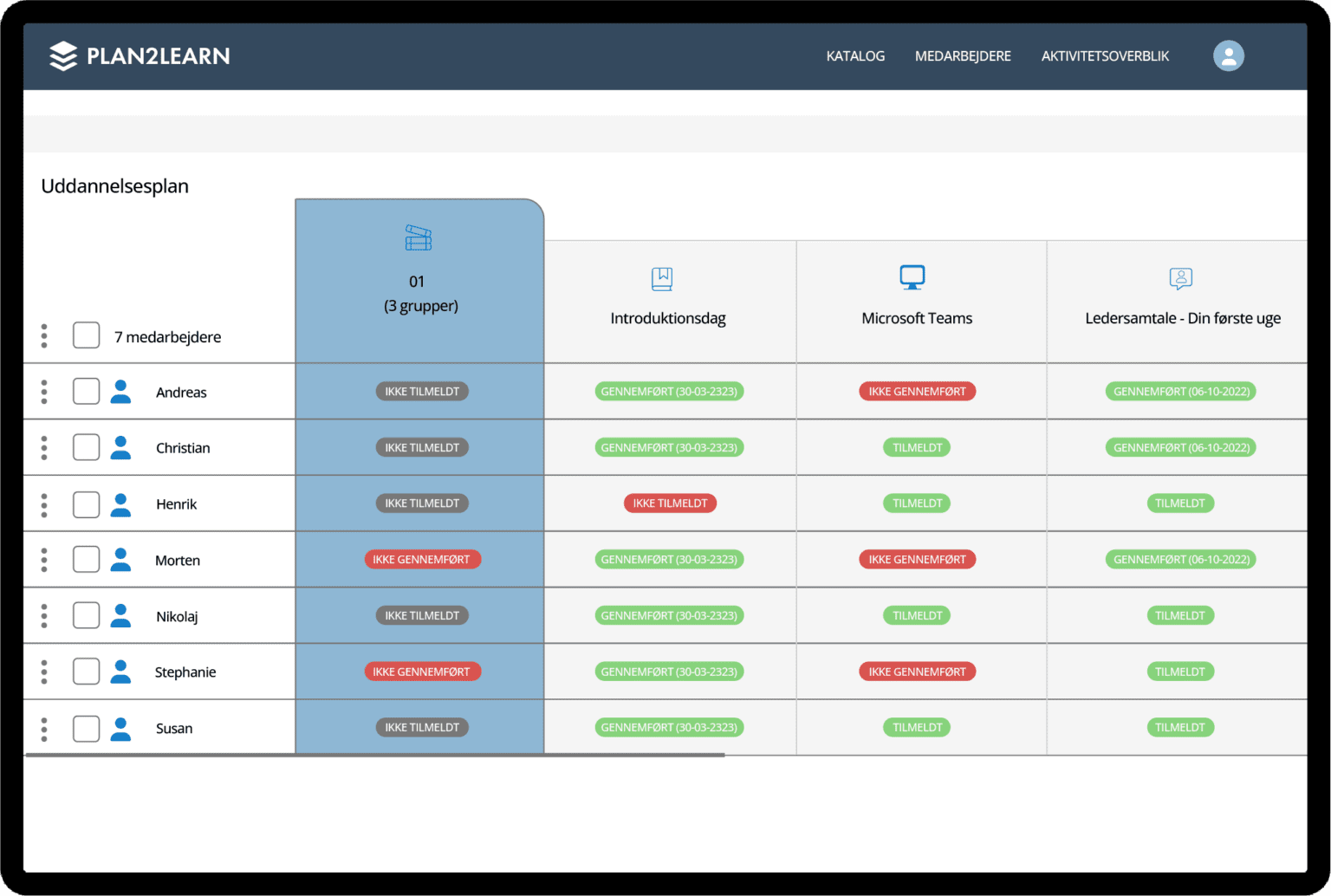
Finally, it may be useful to use technology to support the performance management process. This can include goal-setting and follow-up tools, online feedback forms, and analyses of performance data. Essential documentation in this regard could be financial, quality assurance, or personnel matters, in order to document whether the right tasks are being performed in the right way.
Performance Management Systems
The Balanced Scorecard (BSC) is one of the most commonly used types of performance management systems. This management and leadership tool includes four main topics: financial performance, customer satisfaction, internal processes, and learning & growth.
The system allows you to set a comprehensive strategy that cuts across departments, and ensures that everyone works towards the same goal. Goals will also be set in the individual departments, and measured against their results. This makes it easier to make strategic decisions and plan initiatives that can help you achieve your goals.
To create a Balanced Scorecard, a large amount of planning is required, the setting of goals for the the organisation, and the full implementation of the measurement system. You can do this Read more about it here.
Another, and less widely used, type of performance management system is the budget-driven business plan. This system is used in cases where the budget drives the performance process, rather than the organization’s overall strategy. The system is characterized by the fact that revenues and expenses are grouped into categories so that managers can easily identify the areas that need to be cut.
An effective performance management process can have a positive impact on both the organization’s results and the employees’ wellbeing-being and motivation. By having clear goals and expectations, regular evaluation and feedback, and opportunities for development and learning, the the organisation can strengthen the employees’ contributions while creating a healthy and productive workplace culture.