What is blended learning?
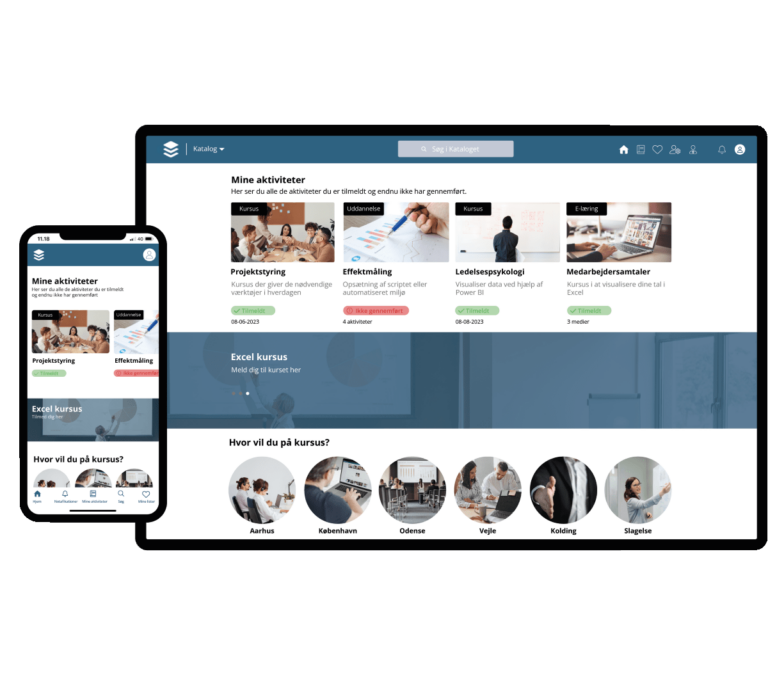
Blended learning is the combination of 2 learning disciplines. It is the meeting between traditional face-to-face learning and the digital opportunities provided by technology. e-learning. With blended learning, the best aspects of both forms of learning are taken and can therefore achieve a higher overall potential, while covering up their individual weaknesses. Typically, one will use a learning platform to create their blended learning.
The focus is on finding the ideal methods and materials for an educational course, as one is free to choose and mix between physical and digital resources. By combining disciplines, the goal is to achieve the exact combination that optimizes learning for the user.
An example of a blended learning programme could be an employee who needed to be trained in the use of a tool at work. The theoretical part of the learning could take place through various e-learning materials, such as videos and small games, after which they could then switch to more practical exercises using the tool. The course could then be concluded with a quiz that the employee could complete digitally when they felt properly prepared.
Why should I use blended learning?
The biggest advantage of blended learning, as mentioned, is that you have the freedom to choose between different forms of learning. A programme can tailor the elements to exactly match the target target group.
Should the distribution be mostly e-learning? Or do your employees prefer primarily in-person training with e-learning as a supporting element? You can adjust freely according to your needs. Therefore, you can better accommodate the modern employee’s desire for varied learning.
In addition, the classic benefits of e-learning are retained, namely that the learning can be carried out digital, When it suits the user’s schedule. The learning that takes place online is flexible and takes place on the many devices we already use in our daily lives.
This makes it easy for an employee to prepare for either practical instruction or an upcoming test. They have a quick and simple way to reinforce the theory as many times as they feel necessary.

Blended learning allows you to use your resources to the best possible effect, as you don’t need a teacher for the entire learning process. With the e-learning material, you can deliver the theory in a way that appeals to the target audience and let the teacher focus all their time on the practical part. This ultimately saves resources for your company.
Of course, it will still be up to you to make the theoretical material interesting for the users. Countless pages of information are not more interesting when they are read online instead of in a classroom. Here you have plenty of opportunities to use the e-learning format to be creative in your communication. Use videos, quizzes, or create small games as long as you target your target group.
How do I get started with blended learning?
You have read about the many potential benefits and now want to get started yourself. But where should you start?
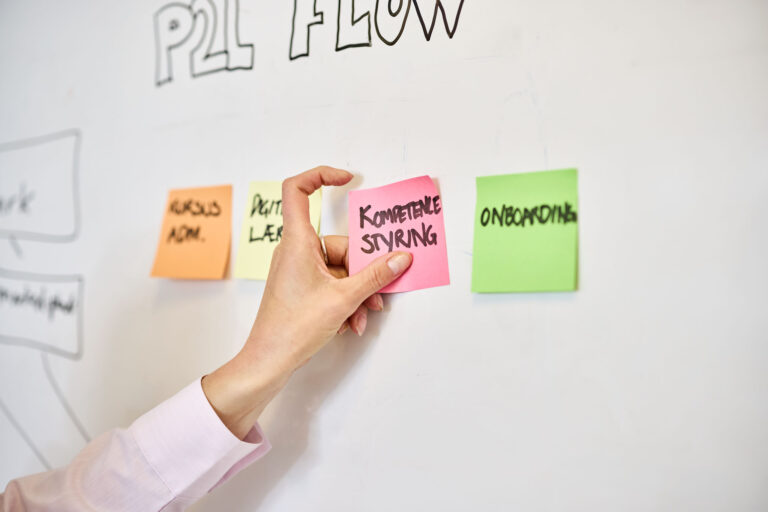
First, it will benefit you to create an overview of your target group and assess what their learning needs will dictate. How should you assemble the various elements of more traditional learning and what can you deliver digitally?
Once this is done, you can start planning the different learning elements in more detail. You can consider how the e-learning should be delivered, whether this is through video, quizzes, or similar. Likewise, the attendance to the teaching sessions must be planned so that you achieve the greatest possible benefit.
You can benefit from using an LMS that will do plan the learning programme process automatically and ensure easy documentation.
You should also not be afraid to mix the disciplines even more than you originally planned. It doesn’t have to be in shifts; you can easily plan small video tutorials that users can access in the middle of the onboarding training. This just helps keep the learning interesting.